
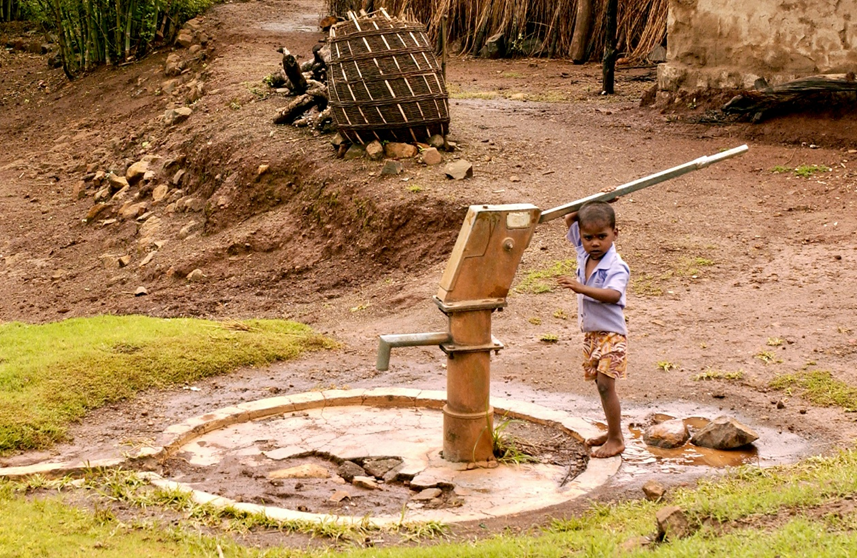
“When the well is dry, we will know the worth of water.” – Benjamin Franklin
Not so long ago I wrote a blog on the importance of water called “Our Most Precious Resource” (If you want to be reminded just how important water is to us or why we need to take care of it, please have a look at that blog. Remember we cannot live without water!)
Sufficient water for our needs in the developed countries has rarely been a problem, except perhaps of our own making. (There are of course naturally dry exceptions such as parts of England and South Africa.) Clearly many developing countries have horrendous problems.
But the World Resources Institute says that “Across the world, demand for water is exceeding what’s available. Globally, demand has more than doubled since 1960.”
They say “Increased water demand is often the result of growing populations and industries like irrigated agriculture, livestock, energy production and manufacturing. Meanwhile, lack of investment in water infrastructure, unsustainable water use policies or increased variability due to climate change can all affect the available water supply.”
Water and Climate Change
A recent article by the UN talking about water and climate change has said “Climate change is primarily a water crisis. We feel its impacts through worsening floods, rising sea levels, shrinking ice fields, wildfires and droughts.” For example here is a YouTube video from 2025 showing catastrophic floods in Texas.
The report also says “However, water can fight climate change. Sustainable water management is central to building the resilience of societies and ecosystems and to reducing carbon emissions. Everyone has a role to play – actions at the individual and household levels are vital.”
Where Are We Now?
Drought
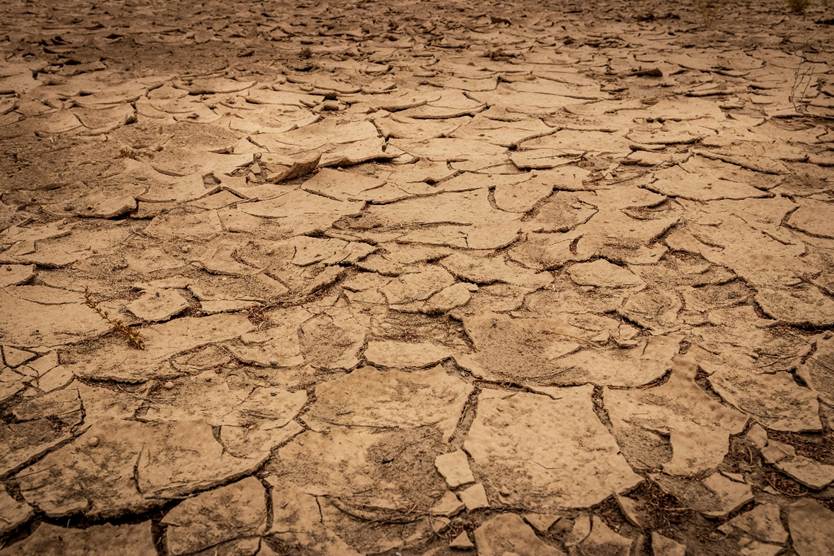
Using Water Faster Than It Can Be Replenished
The UN University Institute for Water, Environment and Health in a report produced in January this year says “World Enters Era of Global Water Bankruptcy”.
What is Water Bankruptcy?
According to ABC News, talking about the same report, Water Bankruptcy is “irreversible damage experienced by water systems around the world being pushed beyond recovery… Some of the worst impacts include chronic groundwater depletion, overallocation of water, deforestation, pollution and degradation to land and soil…The Middle East and North Africa are among the water bankruptcy ‘hot spots’ due to high water stress, climate vulnerability, low agricultural productivity, energy-intensive desalination, sand and dust storms and complex political economies”.
Obviously, we are not going about things the right way! We have been careless, greedy and very stupid with “no thought for the morrow” We can’t continue to do this.
An excellent example of this is given in a headline in the New York Times “America is using up its groundwater like there is no tomorrow”. It also says “Many of the aquifers that supply 90 percent of the nation’s water systems, and which have transformed vast stretches of America into some of the world’s most bountiful farmland, are being severely depleted. These declines are threatening irreversible harm to the American economy and society as a whole.”
Are we crazy I wonder?
How Did We Create This Disaster?
Climate Change
According to WWF, as we continue to pump carbon dioxide and other greenhouse gases into the atmosphere, patterns of weather and water will change round the world. They also say “Droughts will become more common in some places, floods in others. Glaciers and snow packs will disappear in some areas, affecting the freshwater supplies to those downstream communities. These changes will combine to make less water available for agriculture, energy generation, cities and ecosystems around the world.”
Pollution
Contamination of water comes from many sources. This includes pesticides and fertilizers from farms, untreated human wastewater and toxic substances from industrial processes.
Agriculture
WWF says that agriculture uses about 70% of accessible fresh water. Apparently some 60% of this is wasted due to leaky irrigation systems, inefficient application methods as well as the cultivation of crops that are too thirsty for the environment in which they are grown. This wasteful use of water is drying out rivers, lakes and underground aquifers. Many countries that produce large amounts of food – including India, China, Australia, Spain and the United States – have reached or are close to reaching their water resource limits. Added to thirsty crops there is the fact that agriculture, as mentioned above, also generates considerable freshwater pollution – both through fertilizers as well as pesticides – all of which affect both humans and other species.
Population Growth
In the last 50 years the human population has almost doubled. This rapid growth – with its accompanying economic development and industrialization – has transformed water ecosystems around the world and resulted in a massive loss of biodiversity.
WWF emphasises that billions of people are either lacking water or suffering from scarcity at some part of the year. It is easy to imagine the hardship this brings.
Can We Change?
However, I would like now to look at the areas that are bringing us hope that the situation can change.
A Hopeful Amount of Water
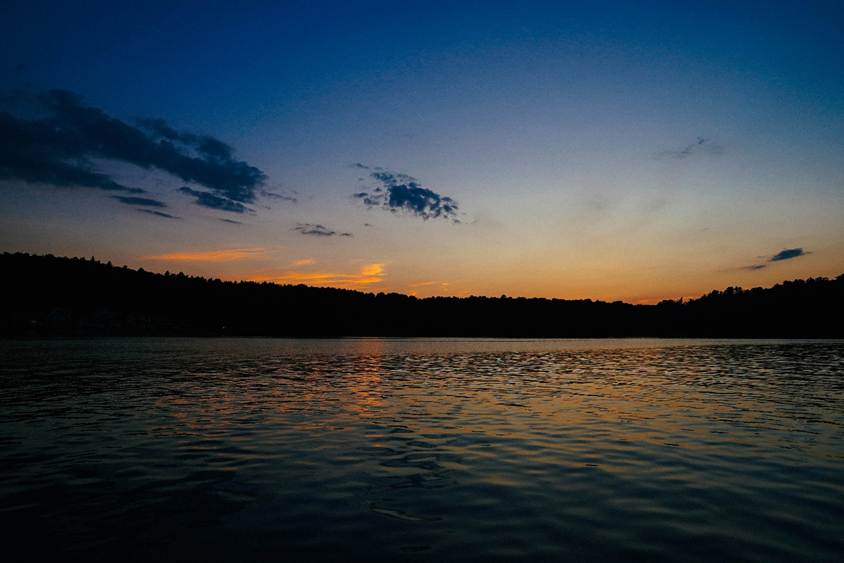
Water Conservation
As stated by Green Earth, water conservation is about securing a sustainable tomorrow for future generations. They believe that our goals should include reducing water waste, promoting sustainable water-use practices, protecting and restoring water ecosystems, and ensuring equitable access to water for all communities. By achieving these goals, we can help mitigate the impacts of environmental instability, promote biodiversity, and protect our water resources for future generations.
How Will We Do That ?
1. Efficient water use in agriculture (see Green Earth)
a. Drip Irrigation systems – delivery of precise amount of irrigation to plants
b Use of drought tolerant crops i.e. planting crops which thrive in low-water conditions. For example almonds require huge amounts of water. Farmers in the US are replacing them with pistachios, walnuts and pomegranates. Hemp is also proving to be a good money-making crop.
2. Greywater recycling
The Times of India talks about how the Japanese recycle water from showers, sinks and washing machines, (grey water) treat it and use it in individual homes. The Germans are doing something similar and saving many litres per day. People worldwide are now adopting these systems thus saving considerable waste.
3. Bring back Beavers
According to Phys.org beavers support freshwater conservation and ecosystem stability. Beavers encourage water storage, and their dams allow the slow release of heavy rains, thus holding back flooding downstream. They also create and restore wetlands where other species can thrive and improve water quality. In Scotland, for example, the beaver population has doubled over the last few years.
4. City Councils
Penrith (Australia) City Council is using world-leading technology to save water. As part of a pioneering water stewardship project, they can now save up to 30% of water usage. They do so by using advanced water management software.
5. Harvesting Rainwater
Capcon, an Irish specialist engineering company, have been working in Asia with countries facing severe water crises.
Climate patterns of uneven rainfall and rapidly growing populations are causing major water scarcity problems. The company is helping to bring in rain-harvesting practices as part of a solution. These ideas have been prevalent in south-east Asia for many centuries. An example of this system is shown by the Tamil Nadhu government in Southern India which for over 20 years have insisted that all new buildings have rainwater harvesting systems included. It is similar in Bangladesh.
6. China’s Sponge City
In an article by Sustainability we have a description of “sponge cities”, a programme developed by the Chinese to deal with flooding . It can also be used to preserve, filter and store surface water. To achieve this the system “permits cities to store and sanitize residual water. These cities use sustainable urban drainage systems to absorb, store and clean up rainwater. The concept, created by landscape artist Yu Kongjian, is based on the idea that water should be managed like a sponge. How? Utilizing natural systems like plants and permeable surfaces to absorb the rainfall, avoid flooding and replenish groundwater.”
These are a few of the water conservation projects that are already underway. There are many more. What is more, humanity is developing an awareness of the severity of the water challenge facing us. It is indeed a big challenge as the aquifers (groundwater) will not refill for hundreds (or possibly thousands) of years. Much of the world’s food is at present being grown using water from aquifers so the rethink required is very deep.
However, that fact emphasizes the importance of each of us saving what we can. There are many things we can do.
What can we do?
- There are good ideas mentioned in my previous blog. Do have a look at them.
- Dig up your lawn and plant drought-loving flowers and bushes!
- Encourage your local politicians to bring in water conservation schemes
- Shop sustainably. Apparently one pair of jeans take 10,000 litres of water to produce.
- According to the Rainforest Alliance we need to think about the distance our food and other goods travel. It takes about 1.5 litres of water to refine 1 litre of crude oil. Buy local.
- If you buy food from the tropics, like coffee, tea, bananas and chocolate, buy Rainforest Alliance Certified products. They prioritize water conservation and the preservation of local streams and rivers.
- Buy less clothing. Cotton for example can take more than 2,700 litres of water to produce one t-shirt.
- Reduce food waste.
- Fix your plumbing and update your appliances. Modern dishwashers and washing machines can save many thousands of litres of water over their lifetime.
- Install rain barrels in your garden.
- Join water conservation groups in your communities. Help to pressurise your governments to save water.
Please educate yourselves on the issues of water conservation in our world. Do what you can to save water and pass on to others that water is life and we must conserve it.
If you are not yet on my mailing list and wish to be on it, please use the form on the Home page, this will help our administration and ensure you receive your own copy.
Photos by bradford zak, Grant Durr and Alex Haney on Unsplash