
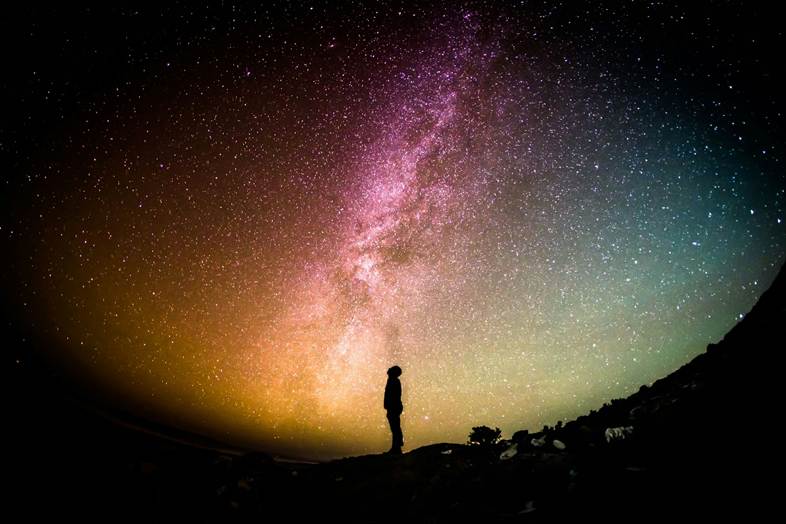
We Need More Curiosity
“The important thing is not to stop questioning. Curiosity has its own reason for existence. One cannot help but be in awe when he contemplates the mysteries of eternity, of life, of the marvellous structure of reality. It is enough if one tries merely to comprehend a little of this mystery each day.” Albert Einstein
My mother used to tell me that “Curiosity killed the cat”. Perhaps it did get the cat into terrible trouble. But for me, it is what drives me. It makes me ask endless questions. “Why does the machine work like that?” “How many stars are in the night sky?” “Why is the ocean green?” “How old is the Earth?”
Recently my questions have become more focussed as our world changes. “Why is there no more snow here in winter?” “Why do our leaders make such poor decisions?” “Why are some people so rich and others have to struggle hard to feed and raise their families?” “How does whale poo help fight Climate Change?”
“How come many people don’t want to fight the global challenges we are facing?”
The answer is that they do
Not yet enough of them and certainly not fast enough or loud enough, but many people care about the future. My curiosity drives me every day to look for evidence of this.
There is plenty if one looks. The issue here is that our media, for whatever reason, is not telling us about the good stuff.
So we feel alienated into silence, we become immobilised because we believe nobody else cares. We see only selfish wars, unkindness, violence and greed. Asking questions brings understanding of the scale of the problems we face. But if we dig a bit deeper we find the reassurance that others are fighting too. It helps us find a place in this challenge.
My curiosity leads me to a world full of wonder. This is a wonder about man’s ingenuity, about women’s determination and a never-ending list of ways of making our world more planet-friendly and creating the better future we so badly need. Knowing I am part of this inspires me.
Wonders I have found this week
A Private Wildlife Sanctuary
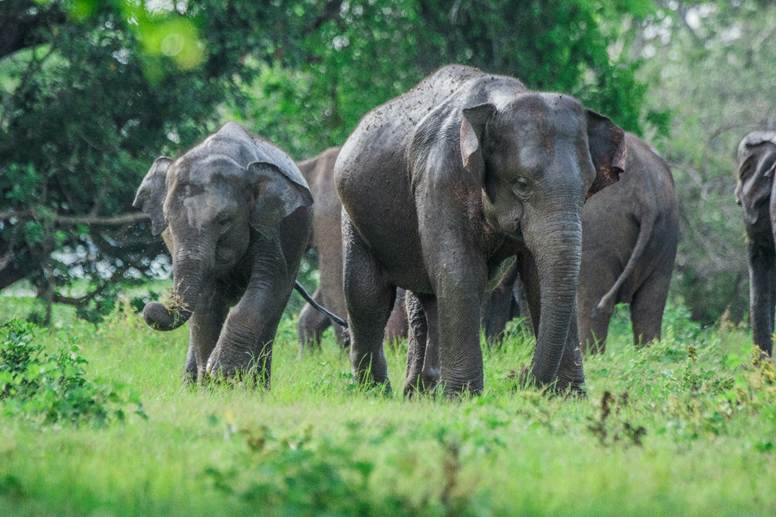
- Karnataka Wildlife Sanctuary
Medium (a platform for publishing articles) recently told the story of Pamela and Dr Anil Kumar Malhotra, a couple who bought some barren and lifeless land in India. As the article says, “With no government support, no public funds, and no guarantee of success, they chose love—for the Earth, for wildlife, and for future generations.” They have, with considerable struggle and danger created a miracle of nature and biodiversity – a forest from barren land. They have provided a haven for endangered animals and birds, created a water-rich zone which contributes to the local climate and a wonderfully rich tree-filled region.
Pamela Malhotra wrote a book called From the Heart of Nature about their experience. Do have a look at it. It shows me how their patience and courage contributed to saving our biodiversity.
- Bee-killing Pesticides
An article by France24 shows how in spite of a huge petition by the farmers unions in favour of its use France has adopted legislation that will prevent the re-introduction of a bee-killing pesticide. “The legislation has been at the heart of a major debate in France and sparked a student-initiated petition that was wildly successful.”
A lovely example of successful caring.
- Nordic Countries and Free Electricity
An article by Atmos shows how Nordic countries are making energy incredibly cheap and sometimes effectively free. “Years of investment in green infrastructure have driven electricity prices down across countries like Sweden and Finland.” This also increases self-sufficiency and security in these northern countries and in present circumstances that must be very welcome indeed. That is quite apart from the positive climate impact.
- European Commission Sustainable Transport Plan
If we are to reduce our carbon emissions effectively to zero, one of the aspects that we urgently need to deal with is transport. This produces about 16% of our global Greenhouse Gas Emissions.
The EU has just produced an investment plan to increase low carbon aviation and sea-borne transport fuels. Clearly this is an early stage in the process, but the plan will hopefully provide the necessary stability for investors to become involved. “The EU measures under this plan are expected to mobilise at least €2.9 billion until the end of 2027.”
If you are a bit sceptical about this, as I was, have a look at this article by Afar about new ways to travel across Europe by night.
This is not part of the transport plan but it is an indication, I believe, about how people are thinking.
Farmers Planting Rice
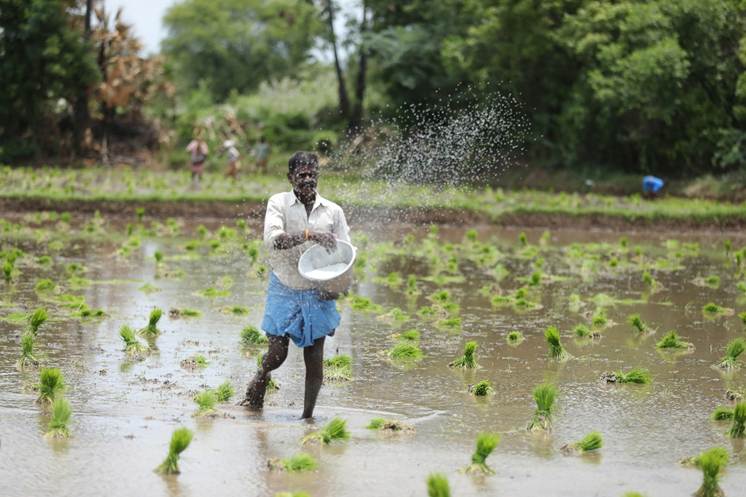
- Beacons of Hope
The UN Panel on Climate Change produced a report on land in which it talked of the need for urgent action.
They said “ The world is facing a confluence of unprecedented crises: the fast-moving COVID-19 pandemic has merged with the ongoing and relentless global changes in climate, land, and biodiversity. Collectively, these calamities are causing extraordinary levels of human suffering, social and economic instability, and environmental devastation.”
A research report based on this and called Beacons of Hope was launched by the World Alliance for the Future of Food.
The Beacons of Hope are a) regenerating landscapes, b) enhancing livelihoods, c)restoring people’s health and wellbeing, d) reconnecting with Indigenous and cultural knowledge, and more, in order to achieve a resilient, sustainable food future.
They say, “Transformative initiatives across the globe are proving that change is not only necessary but possible.” The report covers farmers from many different parts of the globe and demonstrates very nicely the type of works that are helping these farmers live better lives. Here is an example from the Philippines based on their report of the work being carried out.
MASIPAG This is an initiative to help farmers in the Philippines. It reaches about 35,000 farmers in different parts of the Philippines. MASIPAG was created to break the control of local and multinational fertilizer and pesticide companies, multilateral rice research institutes, and rice distribution cartels.
To improve the quality of life of small farmers, the initiative takes a holistic approach to development, community empowerment, and people’s control of agricultural biodiversity.
- Urine from Music Festivals Helping to Grow a New Forest!
In a recent article the BBC describes work done by scientists to use urine to help grow a forest. They say “Bristol-based start-up NPK Recovery collects urine from portable toilets during festivals and events, transforming it into fertiliser to help grass grow back on the fields afterwards.”
Now, as part of a UK-first Forestry Commission-backed trial, the team plans to grow thousands of native British trees for a new woodland in Monmouthshire, south Wales. A sort of home-grown fertiliser!!
Questions that need to be asked
Reading the papers every day or listening to the news makes me want to scream! Where is the record of human ingenuity? Why are we not getting good news? Wouldn’t good news make people more likely to become involved in the search for a better life?
Is there really no hope for a happier tomorrow? I refuse to believe that. Things are tough and frightening, and our leaders are struggling to find a way forward in the storm of events and challenges that are facing us. But I discovered a lovely piece by a group called earthlyeducation on the internet which cheered me enormously.
“Somewhere tonight a forest defender is guarding land from bulldozers. Somewhere a community is restoring wetlands. Somewhere young people are organising for climate justice. The news rarely shows it. But the story of our time is not only collapse. It is resistance. It is hope. It is the story of the next world breaking through the cracks.”
So, ask the questions!
- Why is our world the way it is?
- What can I do about it personally?
- How can I encourage our leaders to be more focussed on what is important?
- What can I do to help our wildlife?
- How can I eat better and more sustainably?
The list is endless.
Be curious about what others are doing to answer these questions.
If you are not yet on my mailing list and wish to be on it, please use the form on the Home page, this will help our administration and ensure you receive your own copy.
Photos by Greg Rakozy, Udara Karunarathna and Guru Moorthy Gokul on Unsplash