
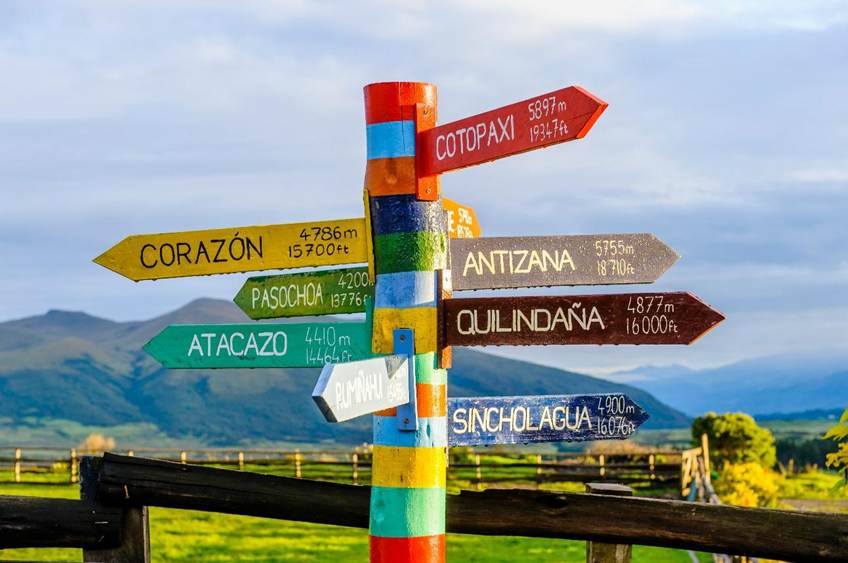
How do our choices relate to the climate, and to the mess humanity is in?
I have recently begun an online course on the history of the modern world. In the course’s opening statement they described history as a study of: what happened and why did it happen.
That Why really struck home for me. I realised that the choices we and our leaders have made in the past continue to dominate our existence. Not only that, but it is clear that the choices we make right now on a daily basis define our lives.
An excellent example of this is the decision taken recently by America to go to war against Iran. This was a choice (I suspect an unexamined choice) whose tentacles will spread ever wider, and may eventually affect the whole world in ways undreamt of.
It is the same with the chaos that we now find ourselves in on planet Earth, which includes: a rapidly warming climate, a frightening disappearance of the natural world, expanding inequality, insecurity of our food supplies, and many more.
Globally we have made choices that have taken us to this point – we are destroying the natural world for our needs. We want more possessions, a variety of different foods, foreign holidays, and endless other things that make us feel good (at least temporarily) but which use up the Earth’s resources and devastate the planet.
These are choices that we make almost without serious thought. In fact many of our choices are not thought through at all. They are “unexamined”.
Socrates is believed to have said, “The unexamined life is not worth living.”
He apparently believed that an unexamined life, one devoid of critical self-reflection and focused on material possessions rather than wisdom and societal well-being, is not worth living. I think that it is the same with our choices. If we do not think them through carefully, or at all, then we will end up in trouble.
What are the choices we and our leaders make that are bringing humanity to the edge of a precipice?
Examples of leaders’ choices that make our situation worse
- They choose to go for growth in the economy, producing more devastation
- Immigrants are bad, thus creating more suspicion of each other when we need to work together
- They need to build more roads/housing estates/nuclear power stations etc (creating more carbon emissions)
- They don’t think through decisions and how they affect Nature
- They allow themselves to be swayed by lobbyists who work for fossil fuel companies
- They cut back on helping other countries adapt to Climate Change
- They go to war without using diplomacy first
- They are not fully educated on the facts
- They appear not to be taking the situation seriously enough.
All these choices have consequences.
Examples of decisions we make as individuals to avoid being active in the fight for a different and better world
People feel:
- I am too overwhelmed by dealing with crises in my own life to be active in making a difference
- There is no way I can make a difference as an individual
- I have no time
- I want my life to carry on as it is now
- Changing my habits is too hard
- My family and friends will think I am stupid if I fight for the Climate/ Environment/Human rights
- I am too scared to go on protests
- The problems are not so very serious
- Somebody else will fix the problems
So we make the choice to do nothing – – – – –
These are merely examples of things that we think about when we make choices about how we live our lives. Sometimes we are not aware we are making those decisions. Sometimes we make them without deep thought, and sometimes there is genuinely no space in our lives to do anything other than survive.
What are examples of major issues affecting our lives which we can influence?
1 Capitalism
What is it?
Capitalism is an economic system based on the ownership of the means of production (e.g. cotton mills, engineering works, shipbuilding etc). The modern world has many additional sources of profit such as owning property, or computer software companies. Capitalism is based on the production of profit for owners. All this leads to the economic growth so beloved by the politicians. Consumerism, an offshoot of Capitalism became widespread in the US in the 1920s. According to the BBC “Over the course of the 20th Century, capitalism moulded the ordinary person into a consumer.”
At the beginning of the 20th century manufacturing companies were learning to produce goods in vast numbers for profit. It was necessary to find customers for these goods. According to the BBC article “The cardinal features of this culture were acquisition and consumption as the means of achieving happiness; the cult of the new; the democratisation of desire; and money value as the predominant measure of all value in society,” In other words we were shaped to believe that if we bought a lot of “stuff” it would make us happy.
The belief in this philosophy has lasted a long time but scientists see that this way of living is helping to destroy our planet and the systems that keep us healthy. We are depleting Earth’s resources and polluting the atmosphere which is producing havoc in the weather and creating huge inequality and unhappiness in the world.
Our job here is to choose to buy less stuff and find a different way to be happy!
Our Lust For Luxury Items
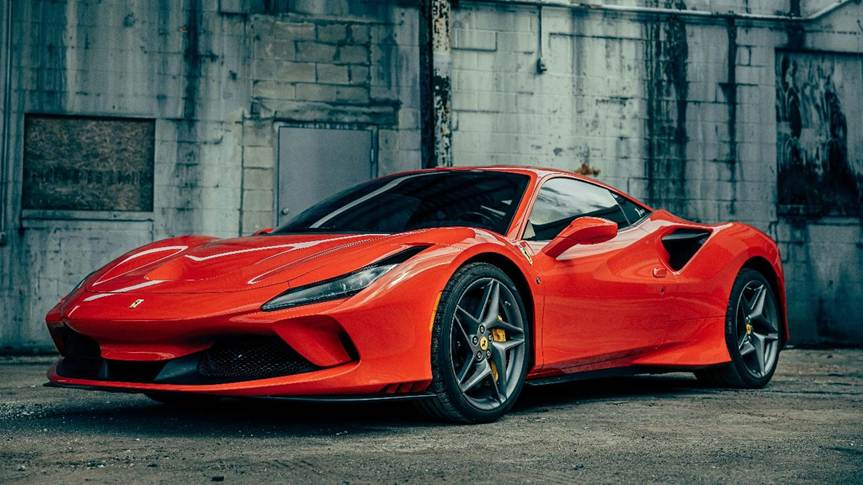
So this desire for possessions has been artificially manufactured just as we have created the need for industrial style agriculture.
2 Industrial Agriculture
If you would like to know more about the development of this type of agriculture then have a look at this Wikipedia article.
Industrial agriculture developed after the industrial revolution, with the creation of mechanical tools to allow us to grow more food. As time passed, artificial fertilisers were created and pesticides produced, all allowing farmers to feed more people. Little was known about the damage we were doing to the soil or how we were increasing our carbon emissions.
With the global population increasing enormously, governments have made the choice to farm in a destructive way. Unfortunately, while that method of farming initially enabled us to produce more food, now it is killing the soil and making us sick. It has also required a huge amount of water, consumed with very little thought that it might be a finite resource. A report from FAO shows that farming this way is responsible for about a third of the world’s Greenhouse Gas emissions. We cannot continue like this if we want humanity to survive.
Our choice here is to support farmers who are using regenerative agriculture to save our soil and cut down carbon emissions by cutting out fossil fuel-based fertilizers.
Farmers are slowly beginning to use this method. And you will find them if you look.
3 Eating Beef
The Issues of Raising Cows
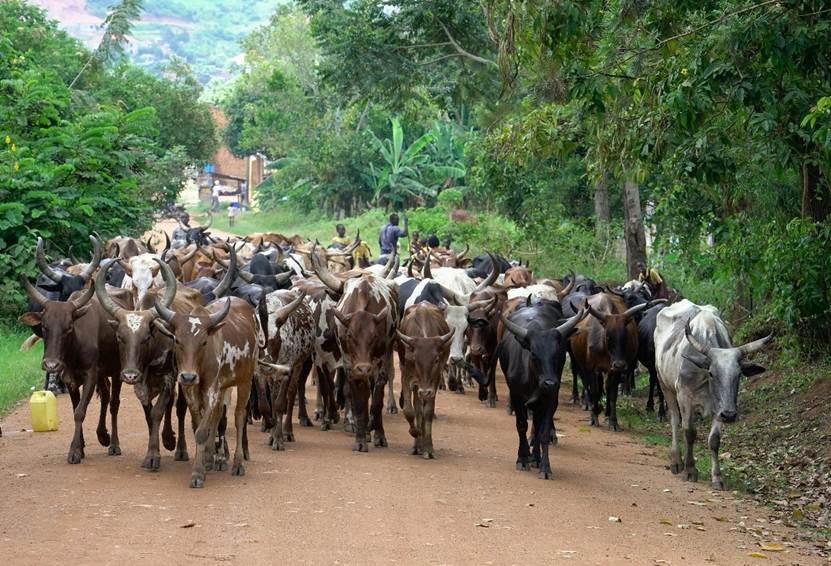
Eating beef is a very contentious subject these days. Developed countries have long consumed beef, both as a good source of nutrition and as a pleasurable experience.
According to a report by Our World in Data, demand for beef is growing, but there are implications for animal welfare and the environment. There is also a potential conflict between developed countries that have been eating beef for years, and developing countries that are getting richer. These populations rather naturally want to eat beef but there is a disagreement here as producing beef is not sustainable and is proving to be very bad for the planet.
Producing beef increases Greenhouse Gas emissions. It requires a change in land use which is causing a great deal of deforestation. Indeed the Amazon Rainforest is under severe threat because the trees are being cut down to produce land for grazing cattle. It is also changing our weather patterns.
Our choice must be to give up eating beef or at least to cut down our consumption drastically. The alternative contributes to a very frightening future.
What choices do we have?
If we are to create a better and more hopeful future, we must make different choices. So each time you make a lifestyle choice, think! What type of future do you want for your children, grandchildren and all coming generations?
For me Nelson Mandela puts it very nicely, “May your choices reflect your hopes, not your fears.”
And another, by Paching Hoé Lambaiho,
“Stop thinking about what you don’t want, what scares you, what you dread. Think about what you want to experience, what you want to achieve, what you want to create.”
Next time you feel the urge to eat beef or buy fancy new clothes, think about renewing Nature, bringing back the birds, creating equality and peace in the world and how you are contributing to that, and feel hopeful.
As I said in a recent blog:
“The choices we make in life always have consequences. Thinking through our choices allows us to identify our real values.”
Examined choices lead to better and happier results.
If you are not yet on my mailing list and wish to be on it, please use the form on the Home page, this will help our administration and ensure you receive your own copy.
Photos by Alexander Schimmeck, Lance Asper and bill 5egener on Unsplash