
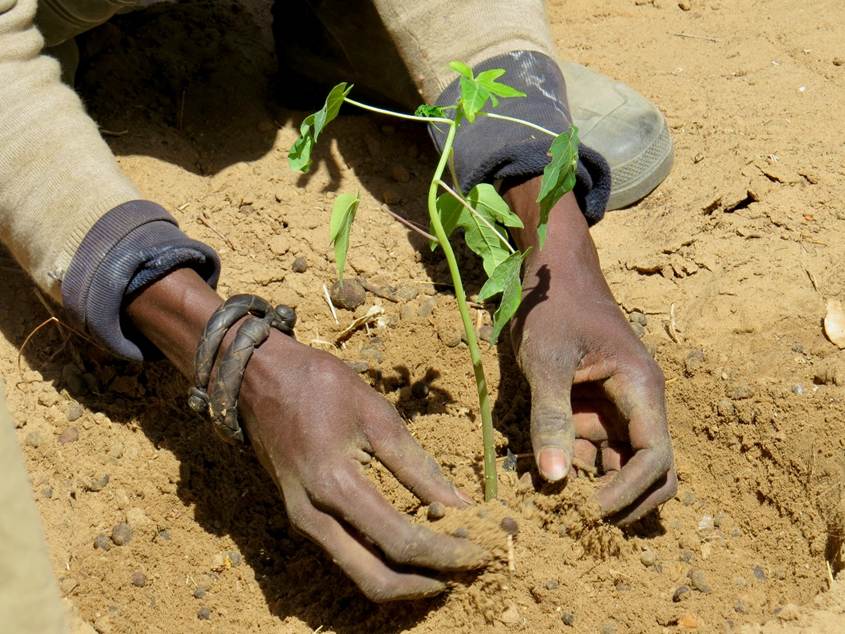
ClientEarth says that “Soil is the cornerstone of life on Earth.”
The Institute of Environmental Sciences quotes the UN as saying “around 95% of the food we eat comes from soil, meaning that this substance that we all take for granted is essential to our health and the health of the planet.”
Clearly then a healthy soil is vital to the future of humanity and to the conditions under which we might live.
Is our soil healthy?
The word healthy in this situation is important. Humanity is facing increasingly grave problems with our soil. An overview responding to a question on the Internet about healthy soils says “The world faces significant issues with unhealthy soil due to drought, overgrazing, deforestation, pollution, and improper irrigation, leading to soil degradation and erosion.”
The Natural History Museum believes that our soil is key to sustaining life on Earth and that at present “A third of the world’s soil is moderately to highly degraded, threatening global food supplies, increasing carbon emissions and foreshadowing mass migration. A change in farming practices has never been more urgent.”
That sounds pretty crucial to me, given that if we have little healthy soil and eight or nine billion people to feed then we are in trouble. It seems crazy that Thomas Jefferson was talking about how important the soil was to humanity about 250 years ago. We still haven’t got it! We need to get it!
We need to also get that there are solutions out there. They won’t make life perfect, but we can make a difference if we act. We are not helpless. There are people already practicing what we need to do to make a difference.
Why is healthy soil so important to us?
According to the Institute of Environmental Sciences (see above), soils that are in good condition are biodiverse (i.e. they contain the bacteria, fungi, worms etc required to grow plants and food). They can store carbon and other Greenhouse Gases, absorb and purify water, and reduce runoff from croplands. They can also store significant amounts of rainfall thus reducing flooding, and stopping the soil being washed away and lost.
Obviously soils also provide the opportunity to feed healthy populations.
What is happening to our soils to make them unhealthy?
1. Pesticide Spraying
Tractor Spraying a Field
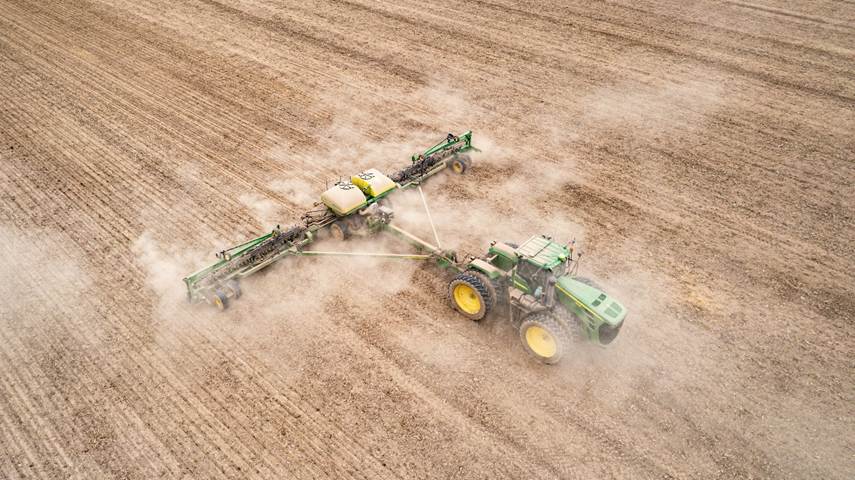
This study on pesticides and soil health shows that pesticides pose a “grave risk to organisms needed for soil health, biodiversity and the fight against Climate Change.”
It also found that pesticides are contributing to the widespread decline of insects. “These declines greatly threaten the ecosystems that support all life on Earth, including the farming systems that feed people. Soils are among the planet’s most complex and biodiverse ecosystems, containing nearly a quarter of all species. A handful of soil contains about 10 to 100 million organisms.” Yet we are poisoning both the soil and ourselves.
Effect on our health
The National Library of Medicine has produced a paper on soil pollution and our health. They say, “Soil pollution is a great and growing threat to human health.” Also that “The Lancet Commission on Pollution and Health documented that pollution is the largest environmental cause of disease and premature death in the world today.”
2. Soil Degradation
The article from the Natural History Museum, mentioned above, reports that soil degradation is when the quality of soil declines, and diminishes its capacity to support animals and plants. Soil erosion can be part of this problem. When farmers have poor soil, it can often be seen blowing away on a windy day. If farms are badly managed or intensively farmed the soil may suffer badly. Intensive farming practices affecting the soil may include deforestation, overgrazing, intensive cultivation, forest fires and construction work.
The article further says “Soil degradation can have disastrous effects around the world such as landslides and floods, an increase in pollution, desertification and a decline in global food production. One of the biggest threats to our future food security is land degradation and the associated loss in soil productivity.”
3. Climate Change
Climate Change is affecting soil health in a number of ways: by changing the amount of water available, the amount of salt in the soil, the increased likelihood of soil erosion, changes in the structure of the soil, and reduced fertility.
Conversely, if we care for our soil and ensure it is healthy this can help in the fight against Climate Change by absorbing more carbon dioxide from the atmosphere.
So what can we do to make our soils healthy?
To rebuild our soils there are a number of things that we can do.
“Do It Yourself” Regenerative Farming!
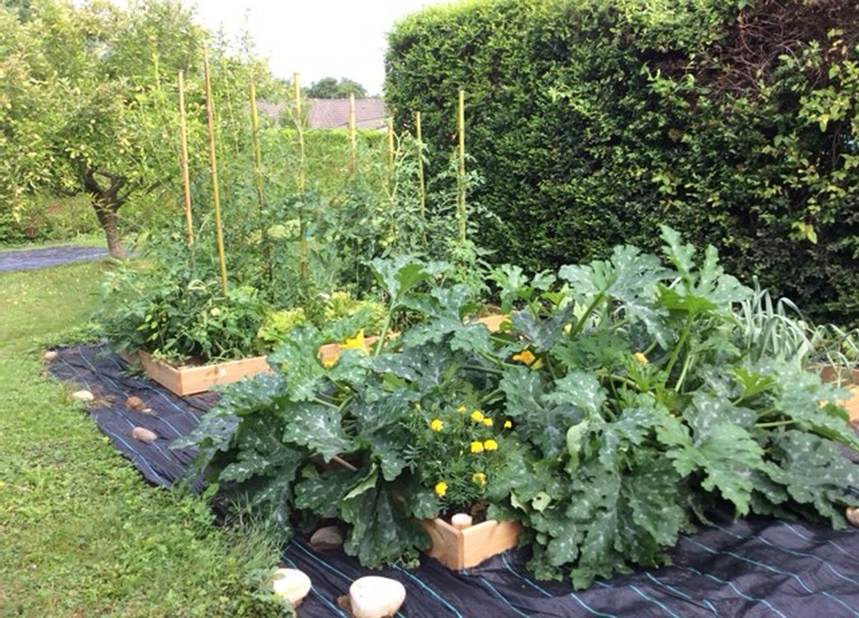
Regenerative Agriculture
This is a way of growing our food increasingly being tried by farmers globally. An article by various professors in Leeds University demonstrates how it works. It involves increasing the amount of living material in the soil with the use of real compost or manure. The next stage is to rebuild the structure of the soil, which allows it to retain water. This is done by reduced (or no) ploughing or compacting the soil, and planting crops that cover the soil and add to the living matter in the soil. Some regenerative farmers use pesticides and some do not. There are many benefits to this style of farming including reduced overheads, flood prevention and carbon absorption in the soil.
Successful examples
There are many examples both large and small of successful implementation of regenerative farming methods that should inspire us. I particularly liked this report.
The World Business Council for Sustainable Development, is a global network of leading companies supporting sustainability. This is a press release on regenerative agriculture which they supported over the previous five years. They have invested $3.6 billion to encourage the use of regenerative agriculture. This is what they have to say. “Nearly 60% of these companies initiated a total number of 72 programs related to regenerative agriculture before 2022, involving 300,000 farmers. As a result, farmers cite tangible benefits from regenerative systems: healthier soil, reduced input costs, fewer complications from fertilizer run-off, greater biodiversity and better resilience to extreme climate.” In other words, it works!
Permaculture
This is an approach to land management that basically mimics Nature. It is complicated to explain (I think it is complex to understand) but involves things like planting fruit trees to stabilize the land, crop rotation and rebuilding soil quality. You will find a description here.
Stop over-grazing
Having too many animals grazing for a long time can seriously affect the quality of farmland and thus the soil. Extensive grazing does not let the plant cover come back, according to ENVPK, a leading Pakistani environmental news site.
This requires better management of the land and the animals grazing. This may be fine on bigger farms. On small farms where the farmers are struggling financially, or where there is extreme poverty and they are already impacted by desertification it is not so easy.
There are many other examples out there from the Chinese trying to green the desert encroaching on Peking, to Africans trying to plant a green belt across Africa. They have both had some success on these projects. Other, less grand plans have done rather better.
What can YOU do to restore the soil?
There are many things that we as individuals can do to increase the fertility and structure of our soils.
- Make your own compost in the garden
- Don’t use pesticides in the garden
- Don’t dig too deeply in your vegetable patch as it breaks up the soil structure and affects its fertility
- Plant things that are good for the soil like clover, French runner beans, trees, cover crops
- Buy your food from farmers who use regenerative methods, or at least organic if you can afford it.
- Use green manure or cover crops in the garden to over-winter
- Buy sustainable coffee
- Eat less beef to avoid deforestation
- Support reforestation
- Ask your local council not to use pesticides – check if they are using them
- Support organisations that look after the soil, like the Soil Association
- Attend local markets
- Buy an electric car, or solar panels, or a heat pump, or all of them
- Help avoid Climate Change
- Avoid waste
- Support poorer countries in retraining their farmers
- Support young people who want to go to Agricultural College
- Help discourage the use of industrial agriculture – write to your government, complain to the press, attend meetings on the future of our food systems
- Care for Nature
There will be a million other things you can do to help save the soil and biodiversity in general. You just have to care, believe you can make a difference, have active hope and ACT! (even better, act in your community).
Thank you.
If you are not yet on my mailing list and wish to be on it, please use the form on the Home page, this will help our administration and ensure you receive your own copy.
Photos by E. Diop Photo and Loren King on Unsplash, and by Doreen Hosking