
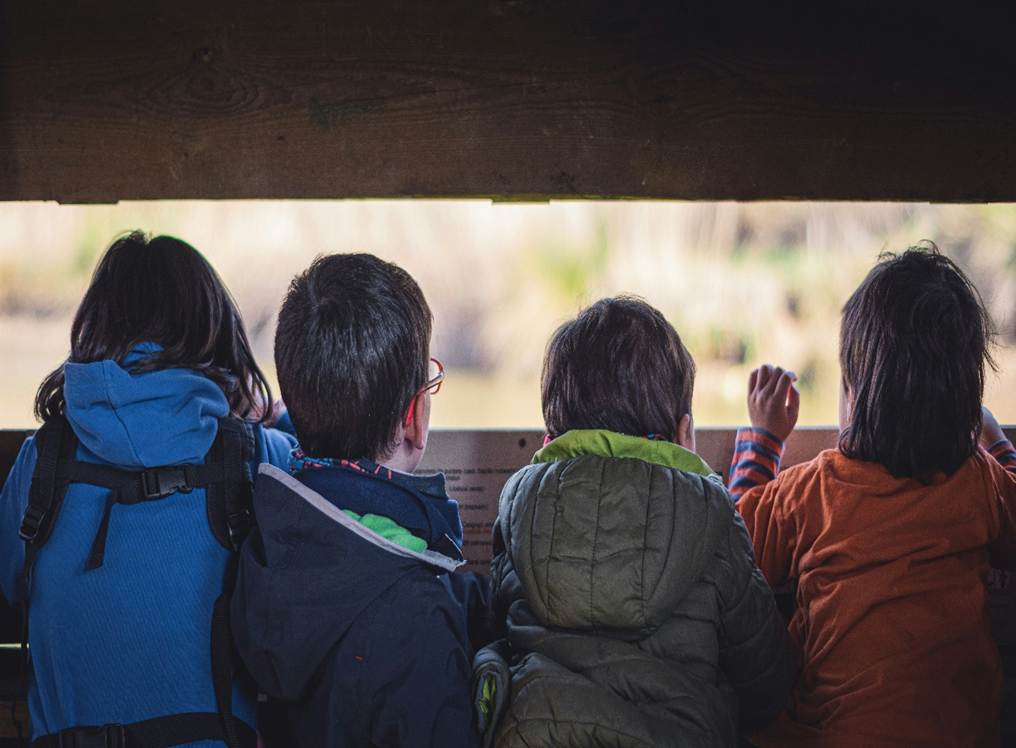
The time to act is now.
We cannot wait any longer. Looking the other way is no longer an option for any of us. The future of our families is severely threatened, yet even now we can make a difference. We can help create a world that is better for everybody but our courage and defiance are required. All of Nature needs us.
Barack Obama phrased it very nicely: “We choose Hope over fear. We see the future not as something out of our control but as something we can shape for the better.”
Yes, we can make things work, however, we must change, and we must do it now. We have treated Nature very badly and she is having her retribution. There are many difficult lessons for us to learn.
Events that speak to us
- Flooding in Nepal
Recently part of a glacier collapsed causing huge flooding and mudslides on the Nepal/Chinese border.
According to a CNN report on the 29th August, the death toll had reached 750 people, and more than 3,000 are still missing. Scientists are still working on exact details, but it is clear that Climate Change is weakening the Himalayan glaciers and making them unstable.
This is our responsibility, particularly in the richer countries. Of course there are rich, powerful oil barons, but our lifestyles contribute.
- Wildfires
According to NASA, Earth’s warming climate is amplifying wildfire activity. They say that extreme wildfire activity has more than doubled worldwide, having surveyed the data over a twenty-one year span.
We have seen evidence of those fires this summer in Europe. An article in the Guardian newspaper shows that “This summer’s fire weather across the EU has broken records for severity for this time of year, while more of France has already burned than in any previous full year on record. More than 300,000 people across France and Spain were forced to flee homes and tourist accommodation within a week, and some are returning to burned-out homes and destroyed belongings.”
Wildfires Globally
Globally, wildfires have been more severe in many places, for example, Australia, Chile, Argentina, South Africa and later in the year in Canada and America.
We know that many of these wildfires are started by human mischief, however the conditions necessary for them to grow so enormous and threatening are down to Climate Change.
Again, our responsibility!
- Droughts and Food Supplies
Corn Destroyed by a Heatwave
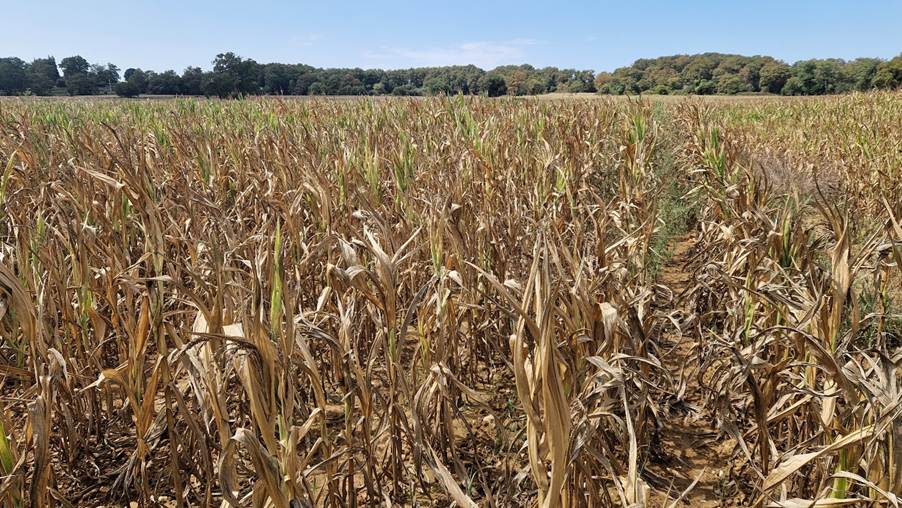
Severe drought, lack of water, and crop loss have occurred in many countries this year. In Europe, France and England have suffered particularly. Worldwide, northern China, Ethiopia and the wheat-growing country of Ukraine have suffered particularly. (It is hard to confirm this as global drought maps for this year vary.) It seems also that many African countries have suffered both drought and food-growing problems, particularly Somalia. So, it is clear that global food production is facing uncertainty this year.
In this situation humanity is responsible for the Global Warming caused by the burning of coal, oil and gas. We are also responsible for our recklessness with water.
So many problems to contend with
Food Facts has written an article on the world food crisis. They say, “The 2026 global food crisis is the convergence of conflict, fertilizer shortages, climate stress, and falling humanitarian funding that has pushed 318 million people into crisis-level hunger.”
There are many examples, among them:
- Russia is at war with Ukraine, vastly affecting its wheat production and transport capacity, leading to starvation elsewhere in the world.
- The UK’s farmers have warned after a summer of drought that there will be food shortages. Britain has a particular problem as it has to import over 60% of its food supplies.
- The world’s population is predicted to reach 9.7 billion by 2050.
- Greenpeace has recently produced a video on how to be kind to our bees. Apparently, we have lost one quarter of 20,000 bee species since 1990. We have also lost many of our other pollinators such as birds, bats, beetles and moths. This seriously affects the security of our food system.
For most of those issues we need to fix our food production problem and soon.
There are many more such events and issues which we need to be aware of: carbon emissions from the many wars making Climate Change worse, and melting permafrost releasing methane into the atmosphere.
If we don’t look away, what must we do?
As individuals the situation is challenging and clearly we are not responsible for the bulk of the problems. These are down to politicians, banks, investors looking to make a profit, huge corporations who don’t mind trashing Nature, and the very rich who really don’t seem to care about our predicament. Holding on to the production of fossil fuels is the number one problem we need to deal with here.
As individuals we need to make these people care. We must use the power we have.
(That does not mean that individuals have no responsibility for the world’s problems. Our lifestyles and desire for stuff contributes significantly.)
How do we reach the politicians and multinationals?
The European Parliament
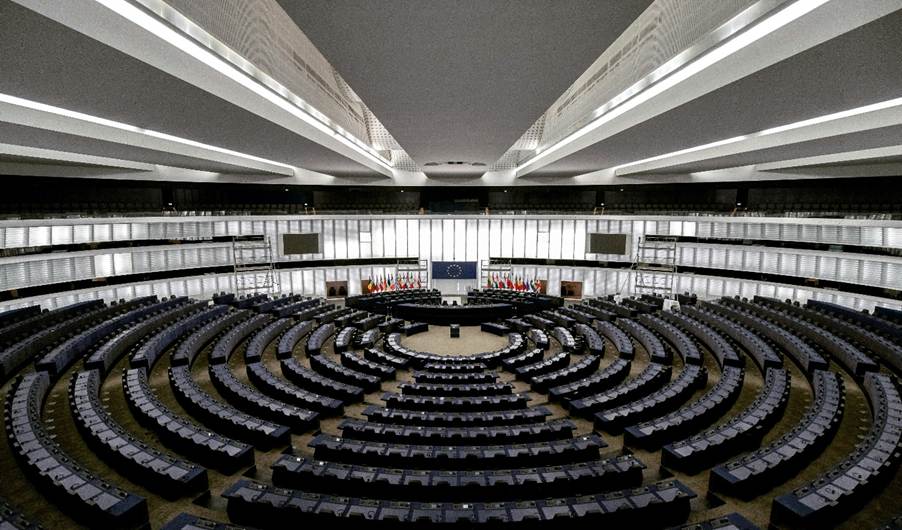
Using the power we have
As individuals we don’t have to look away in despair at the actions of our politicians.
What can we do?
- We can protest and march.
- We must vote. It is important in advance to find out what politicians think about Nature and the climate crisis.
- We can write letters, and keep writing letters to Prime ministers and Presidents. It seems such a little thing but they need to know what we want.
- We can attend live meetings with potential politicians and tell them what we think.
- We can meet our representatives and tell them that their party’s actions are not good enough.
- We can write to the press and complain about politicians that do nothing.
- We can do these things all over again. We don’t know the outcome of our actions till they work.
- Better still, we can persuade members of our communities to do the same.
- We can join and support organisations like Greenpeace that work with politicians.
- We can sign petitions.
- We can support people like the filmmakers in Britain who have made an information film called the National Emergency Briefing and are showing it all round Britain, including to politicians. Here are their details (even people in other countries can choose to show the film): https://www.nebriefing.org/the-film
Ideas for dealing with multinationals and banks
- It is possible to find out if your bank supports the oil industry. Tell them (and any greedy multinationals that don’t care for our future) that you will no longer deal with them and why. Take your money out of investments they are making that you don’t like.
- Write letters to the press naming the organisation and saying what they are doing.
- Run a campaign to persuade people not to use a particular company and why.
- Use your economic power. Don’t use big supermarkets if you don’t like their actions. Tell them why.
- Get a group of friends to have a stall outside shops you don’t trust. Give details of their destructive activities.
- Buy an electric car and/or solar panels.
- Set up an energy community in your town.
- Educate yourself and others on the harm these organisations are doing.
- Talk to all the people you know about all of the above.
The large-scale changes required to make a real difference
Remember, if enough of us change our habits we can help reach a Social Tipping Point. These can drive rapid change! It only needs 25% of a population to cause that, so your actions really can make a difference.
Humanity needs to:
- End the use of fossil fuels
- Change our economy to non-Capitalism. Build your life round regeneration and repair
- Use much less of Earth’s resources to produce stuff
- Support poorer countries to mitigate and adapt to Climate Change
- Change our food system
- Cut down on beef/meat
- Support Nature and its restoration and rewilding
- Change our agricultural system
- Live within planetary boundaries
- Have a plan to reduce our population
- Deal with inequality
- Cut down drastically on waste
- Change our values/kindness/compassion for others.
There are many other things that we need to change but these are the major ones.
If you can contribute to any of these that will help to make a difference.
If you are not yet on my mailing list and wish to be on it, please use the form on the Home page, this will help our administration and ensure you receive your own copy.
Photos by Xavi Cabrera on Unsplash, by Seymour Hosking and by Frederic Köberl on Unsplash
Maybe one way is to be as good a citizen as we can be, including to be tough, to question, to try harder, etc
Hi Marvin, thank you for your comments. I appreciate them. I agree about the good citizen, I think! I do wonder about our politicians, I think many of them do not have our best interests at heart – not all though. I think we need to be global citizens these days, worry about nature and how our lifestyles affect the planet and so on. Yes we need to question and try harder. For me talking about the issues is very important so that we can get more people on board to keep our politicians aware of what is really needed. But I also think we need to bring back kindness and understanding and yes, love for the planet as well as our fellow citizens.